Articles In This Section
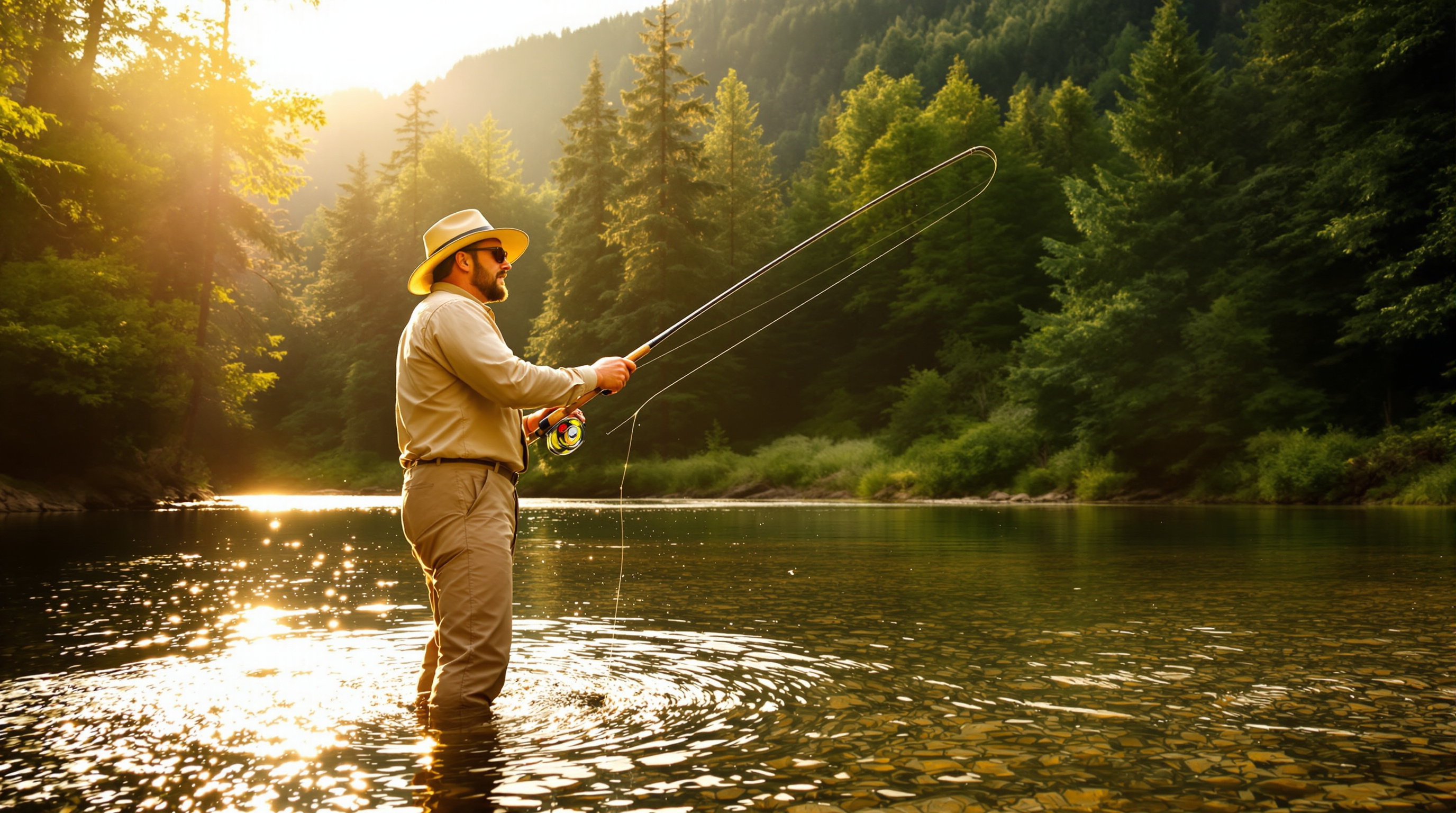
- The Art of Fly Fishing: A Beginner's Research Guide — Fly fishing demands mastery of a different casting discipline — the weight of the fly line, not the lure, carries the presentation to the fish. A complete overview for beginners.
- Fishing Rod Guide: Power, Action, and Material Explained — Choosing a fishing rod requires understanding power ratings, action (flex profile), and material trade-offs. A research guide to matching the rod to the application.
- Bait Selection: Live, Artificial, and When to Use Each — Live bait catches fish; artificial lures offer convenience and precision. An evidence-based look at when each approach outperforms the other.
Getting Started in Fishing
You need: a rod/reel combo, terminal tackle (hooks, weights, line), a fishing license, and patience. Start with a medium-action spinning rod — it handles a wide range of techniques and forgives beginner mistakes. Pre-spooled combos from major manufacturers take the guesswork out of line selection. Add a small tackle box with size 6–10 hooks, a selection of split shot weights, and a few bobbers. Local bait shops are the underrated resource here: staff know what's working on local waters and will guide you to appropriate tackle without overselling. Begin with panfish (bluegill, perch, crappie) — they are abundant, cooperative, and teach the basics of feel and timing before you move on to more selective species.
For rod selection specifics, see our Fishing Rod Guide, which covers power ratings, action profiles, and material trade-offs in detail.
Freshwater vs Saltwater Fishing
The divide between freshwater and saltwater fishing is deeper than it appears. Equipment is different: saltwater tackle must resist corrosion from salt exposure, and the fish — striped bass, redfish, flounder, bluefish — are generally larger and fight harder than most freshwater species. Techniques, tides, and structure differ substantially. Licensing is separate: a freshwater license does not cover saltwater fishing in most states, and federal permits may apply for offshore species.
Most beginners start freshwater because access is easier (ponds, lakes, rivers are everywhere), equipment costs are lower, and the learning curve is gentler. Once you have the fundamentals — knot tying, reading water, feel for the bite — transitioning to saltwater is straightforward. For licensing information by state, Take Me Fishing (RBFF) maintains a comprehensive state-by-state licensing database alongside beginner resources.
Understanding Fish Behavior
Fish are not randomly distributed. Water temperature governs metabolism: cold-blooded fish slow down in cold water and become lethargic below species-specific thresholds. Seasonal patterns matter — trout are most active in spring and fall when water temperatures are ideal; largemouth bass feed aggressively during the pre-spawn warming in late spring. Time of day affects feeding behavior: dawn and dusk are consistently the most productive windows for most species, when low light gives fish confidence and baitfish are active.
Structure concentrates fish — they hold near submerged timber, weed edges, drop-offs, points, and bridge pilings because those locations provide ambush positions, shelter, and access to current that carries food. Understanding these patterns transforms fishing from guesswork into informed pursuit.
Fishing Licenses and Regulations
Every state requires a fishing license for recreational anglers. License revenue funds fish stocking programs, habitat restoration, access improvement, and fisheries research — the system that maintains the fisheries you are fishing. Licenses are available online through state fish and wildlife agencies, at sporting goods stores, and at many bait shops.
Regulations govern species-specific bag limits, size limits (minimum and sometimes maximum), seasonal closures, and approved tackle types. These rules are not arbitrary: size limits protect fish before they reach reproductive maturity, bag limits prevent localized overharvest, and seasonal closures protect spawning activity. Violations carry significant fines. Check the regulations for your specific body of water — a reservoir may have different rules than the river it sits on. For saltwater species, NOAA Fisheries provides federal regulations, species data, and quota information for managed stocks.
The Value of Local Knowledge
No article — including this one — replaces knowledge of your specific body of water. Local bait shops are the entry point: the staff fish the same water you are fishing and have current intelligence on what species are active, what they are eating, and where they are holding. Local fishing clubs and online forums (state-specific fishing forums are particularly useful) provide depth of knowledge no general guide can match. If budget allows, a guided trip on your target water is the fastest way to compress months of trial-and-error into a single productive day with an experienced guide who knows every structure and seasonal pattern.
If the outdoors interest extends beyond fishing, our Coin Collecting & Treasure Hunting guides cover another equipment-intensive hobby with its own research depth.
Catch and Release Best Practices
Proper catch-and-release technique preserves fish for future catches. Wet your hands before handling fish to avoid stripping the protective slime coat. Minimize time out of water — the fish should be back in the water within 30–60 seconds whenever possible. Use barbless hooks or crimp barbs to reduce hook damage and speed release.
If a fish has swallowed the hook deeply, cut the line close to the hook rather than tearing it out — hooks rust out within days. Release fish in calm water with adequate current or oxygen, holding them upright until they swim away under their own power.
Anglers interested in specialized technique should explore our guide to fly fishing, which covers the discipline's unique gear, casting mechanics, and reading water for trout and other fly-targeted species.